The Big Picture: Why Montgomery Schools Matter
Here is what you will not find on Niche.com or GreatSchools: Montgomery Township School District is the single most important factor in every real estate transaction in this town. It is why families move here. It is why properties hold their value. It is why a home in Montgomery sells for $200,000–$400,000 more than a comparable home in a neighboring township with weaker schools.
The district operates five schools serving approximately 4,529 students from pre-kindergarten through 12th grade. Every student in Montgomery Township — whether they have a Belle Mead, Skillman, Princeton, or Blawenburg mailing address — attends the same schools. There are no "good zone / bad zone" questions here. The district is a single-high-school system, which means every family gets the same pathway regardless of which neighborhood they choose.
That is a meaningful advantage over districts like West Windsor-Plainsboro, which splits students across two high schools, or larger districts where school quality varies by attendance zone. In Montgomery, the address on your home does not determine which high school your child attends. Every child goes to Montgomery High School. (Worth noting: students from neighboring Rocky Hill Borough also attend Montgomery Township schools through a sending/receiving relationship — so a Rocky Hill address gets you Montgomery schools too.)
District Snapshot
Elementary Years: Orchard Hill & Village (PK–4)
Montgomery elementary structure is a bit different from most NJ districts, and it is worth understanding before you move.
Orchard Hill Elementary School
764 students · Principal: Daniel Van Hise · 10:1 student-teacher ratio · 244 Orchard Road, Skillman
This is where every Montgomery child begins. Orchard Hill houses the entire township Pre-K through 2nd grade population in one building. The math curriculum uses Bridges Mathematics and Number Corner, which emphasizes conceptual understanding and problem-solving over rote memorization. (Bridges continues through 3rd grade at Village Elementary before transitioning to EnVisions.)
Village Elementary School
639 students · Principal: Susan Lacy · 100 Main Boulevard, Skillman
After Orchard Hill, all students move to Village Elementary for 3rd and 4th grade. The transition to EnVisions 2020 math curriculum happens in 4th grade. This is also when NJ state assessments (NJSLA) begin — 3rd grade is the first year of standardized testing.
The single-building elementary model means there is no "which elementary zone should I buy in?" anxiety — a question that drives buying decisions in many other NJ districts. In Montgomery, every child goes to the same school, regardless of neighborhood.
The trade-off is size. With 764 students in one PK–2 building, Orchard Hill is larger than many parents expect for early elementary. Some parents supplement with outside tutoring, particularly for math — not because the school is weak, but because the competitive culture among families starts early. The no-homework policy through 2nd grade is loved by some parents and frustrating for others who want more visibility into their child progress.
What to Know About the Elementary Transition
The PK–2 → 3–4 → 5–6 → 7–8 → 9–12 structure means your child changes schools four times between kindergarten and graduation. This is more transitions than most districts. The upside: each school is purpose-built for its age group, with age-appropriate facilities and teachers who specialize in that developmental stage. The downside: it is a lot of adjustment, particularly for families moving from districts with K–5 or K–8 models.
Middle School: Where the Academic Path Splits
Middle school is the most important period in Montgomery academic pipeline. This is where math acceleration decisions are made, where gifted services expand, and where the trajectory toward AP coursework in high school gets set. If you are moving to Montgomery with a child in 4th–7th grade, pay close attention to this section.
Montgomery Lower Middle School
738 students · Principal: Lisa Romano · Skillman
The transition from Village Elementary to Lower Middle School is the first major academic inflection point. This is where students begin more departmentalized instruction (different teachers for different subjects) and where initial math placement decisions start to matter.
Montgomery Upper Middle School
790 students · Principal: Matthew Barbosa (interim) · 375 Burnt Hill Road, Skillman · 2024 National Blue Ribbon School
Upper Middle School was recognized as a National Blue Ribbon School of Excellence in 2024 — one of only 11 schools statewide. This is where the district academic reputation truly crystallizes. Over 80% of 7th graders test proficient in math, and 98.8% of students taking the Algebra I end-of-course assessment score proficient — a staggering number.
The 2024 Blue Ribbon designation for Upper Middle is a genuine achievement — it recognizes sustained academic excellence, not just high test scores. But here is the honest context: the district results are partly a reflection of the student body itself. With a median household income of $223,409 and only 3.4% economically disadvantaged students, Montgomery families invest heavily in education both inside and outside school. Many students attend supplemental tutoring, math enrichment programs, and Saturday Chinese or Hindi language schools.
This does not diminish the school quality — the teachers are strong, the curriculum is rigorous, and the administration is responsive. But it is worth understanding that the exceptionally high test scores reflect a community-wide investment in education, not just what happens between 8 AM and 3 PM.
Montgomery High School: The Full Picture
Montgomery High School is the district flagship and the school that most significantly impacts property values. Here is a complete, honest assessment.
Montgomery High School (Grades 9–12)
What Montgomery High Does Well
The AP program is genuinely strong. With 71% participation, the school offers a wide range of Advanced Placement courses across STEM, humanities, and languages. Students on the accelerated math track can complete AP Calculus BC by junior year, with Multivariable Calculus and Differential Equations available as senior options. The college counseling team consistently helps students place into competitive universities.
The 97% graduation rate and GreatSchools College Success Awards (5 consecutive years) are not vanity metrics. They reflect a school where the vast majority of students are engaged and college-bound. National Merit Semifinalists and Commended Students are announced annually — a signal of the depth of academic talent in each class.
What You Should Know (The Honest Part)
The academic culture is competitive — significantly so. This is the trade-off of a high-achieving district with an ambitious parent body. Students report pressure to take the maximum number of AP courses, and the environment can feel intense, particularly for students who are strong but not at the very top of the class. Multiple parent reviews describe a culture where "the high quality education Montgomery is known for can be mostly attributed to the highly competitive students and parents."
Teacher quality is inconsistent. This is the most common critique from parents and students. While some teachers are excellent, others are described as "glorified test proctors" who rely on slides rather than engaging instruction. The quality can vary significantly even within the same course and same department. This inconsistency is the school biggest weakness relative to its ranking.
Social life is limited. Montgomery is a rural township without a downtown or walkable center. Students consistently note that "there is nothing to do in Montgomery." Extracurricular involvement and sports are how most students build their social lives, but the small-town setting means the social experience is different from attending a high school in Princeton, Bridgewater, or other towns with more commercial activity.
College counseling is effective but impersonal. The counseling team sends good scholarship opportunity emails and produces strong outcomes, but one-on-one personal attention requires initiative from families. If you are expecting hand-holding through the college application process, you will need to be proactive.
The Math Acceleration Path: A Parent Timeline
This is the section that families relocating to Montgomery most urgently need — and cannot find anywhere else online. The math track in Montgomery determines whether your child can reach AP Calculus, Multivariable Calculus, or AP Statistics by graduation. Understanding the pipeline early is critical.
The Montgomery Math Pipeline
If you are relocating with a child already in 3rd–6th grade, math placement is the first conversation you should have with the district. The acceleration decisions made in elementary and middle school determine the entire high school math trajectory. Students who miss the accelerated window in 5th–6th grade may not have an opportunity to catch up without outside supplementation.
This is one of the most common questions we get from families relocating from other states or from overseas. We can help you navigate the enrollment and placement process — it is a conversation we have had hundreds of times.
Gifted Services
Montgomery Township School District offers a gifted services program, which provides enrichment and acceleration opportunities for students who demonstrate exceptional ability. The district approach emphasizes classroom differentiation and pull-out enrichment rather than a separate gifted track or school. For families coming from districts with more structured gifted programs (such as magnet schools or self-contained gifted classrooms), this may feel different. The district gifted services information is available through the MTSD website.
Culture & Community: What It Actually Like
Numbers only tell part of the story. Here is what daily life in Montgomery school community actually looks like.
The Asian Community and Cultural Infrastructure
Montgomery Township demographic transformation has been one of the most striking in New Jersey. The township Asian population is now approximately 41% — and in Belle Mead specifically, it is over 63%, making it the fastest-growing Asian American community in the United States according to Census data. In the schools, 54.8% of students are Asian or Asian/Pacific Islander.
This is not just a statistic — it shapes the daily school experience. The Huaxia Chinese School holds Saturday classes at Montgomery Upper Middle School, serving students ages 4 and up with Chinese language and culture programs. There are active Hindi language schools in the area as well. Parents coordinate through WeChat and WhatsApp groups. The Grove at Montgomery shopping center hosts multiple Asian-owned businesses, including Paris Baguette and other services that serve the community.
For Chinese families specifically: Montgomery offers a growing community infrastructure that is increasingly comparable to West Windsor-Plainsboro — with the key advantages of significantly larger lots, more privacy, and a less intense academic pressure cooker. Home prices are comparable between the two townships, but in Montgomery your dollar buys more land and more space. The Chinese community here is vibrant and growing, with cultural celebrations, weekend school programs, and a genuine sense of belonging.
The Academic Pressure Question
Every high-performing NJ district has some version of this conversation, but it is worth addressing directly: Montgomery academic culture is intense. The combination of ambitious parents, competitive peer groups, and a school system that enables acceleration creates an environment where academic achievement is the dominant cultural value. This produces tremendous outcomes for many students — but it is not the right fit for every family.
If your child thrives on challenge and competition, Montgomery will push them to their potential. If your child needs a more balanced, lower-pressure environment, it is worth visiting the schools and talking to current families before committing. The pressure comes more from the community than from the school system itself — the district generally offers a balanced curriculum, but the parent culture adds layers of intensity through outside tutoring, test prep, and extracurricular loading.
Sports and Extracurriculars
Montgomery fields competitive teams across multiple sports, though it is not primarily known as an athletics powerhouse. The school co-curricular clubs are extensive — a typical suburban NJ high school offering. The rural setting means most extracurricular activities require parent transportation, which is worth factoring into family logistics.
Special Education and Neuro-Inclusion
For students with significant learning disabilities, the district generally provides adequate accommodations. However, multiple parents report that for students with less visible needs — high-functioning autism, ADHD, processing differences — obtaining accommodations requires extensive advocacy and documentation of "educational impact." If your child has special education needs, request a meeting with the district special services department before enrolling and understand the process for obtaining an IEP or 504 plan in Montgomery specifically.
Montgomery vs. Other Districts: Honest Comparison
The question we hear most often: "Should we choose Montgomery, or should we look at West Windsor, Princeton, Hillsborough, or Bridgewater?" Here is how we think about it after 20+ years of helping families make this decision.
| Factor | Montgomery | West Windsor-Plainsboro | Hillsborough |
|---|---|---|---|
| School Ranking | Top 50 in NJ | Top 10 in NJ | Top 100 in NJ |
| Median Home Price | ~$880K–$955K | ~$810K–$950K | ~$600K–$700K |
| Lot Sizes | 1–3+ acres common | Smaller lots typical | Varies widely |
| Asian Community Size | 41% township / 55% schools | ~65% schools (WW-P South) | Growing (~25%) |
| Chinese Community Infra | Growing (Huaxia School, WeChat groups) | Most established in Central NJ | Emerging |
| Academic Pressure | High | Very High | Moderate |
| Rural Character | Farms, trails, preserved land | Suburban | Mix of suburban and rural |
| NYC Commute | ~20 min to Princeton Jct | Train station in town | Longer commute |
| High School Model | Single high school (all students) | Split across 2 high schools | Single high school |
| Property Tax (per $100) | ~$3.43 | ~$3.30 | ~$3.15 |
Choose Montgomery if: You want top-tier schools with significantly larger lots and more space per dollar. You value rural character and preserved farmland over suburban convenience. You are comfortable with a growing Asian community that has strong cultural infrastructure but is not as established as West Windsor. You want the simplicity of a single high school where every child gets the same experience.
Consider West Windsor-Plainsboro if: Train access for NYC commuting is a top priority. You want the most established Chinese community in Central NJ. You are less concerned about lot size and more focused on school ranking. Home prices are comparable to Montgomery but lot sizes are smaller.
Consider Hillsborough if: Budget matters and you want the best value play in Somerset County — strong schools at significantly lower home prices. We live in Hillsborough ourselves, and it is the smartest value proposition in the area for families who want quality schools without the premium.
The Financial Picture: What It Costs to Live Here
Understanding the financial commitment of living in Montgomery is essential. The school district is funded primarily through property taxes, which means your tax bill is directly connected to the quality of education your children receive.
Property Tax Breakdown (2025)
Montgomery last township-wide property revaluation was in 1999. That is why the average assessment ($507,400) is roughly half the median sale price ($955,000). A revaluation is scheduled for completion by 2028.
When the revaluation happens, assessments will jump to match current market values. While the tax rate should adjust downward to keep total revenue roughly flat, the practical impact on individual homeowners will vary. If you are buying now, understand that your assessment (and potentially your tax bill) will change within a few years. This is something we walk every client through in detail.
Housing Price Ranges by Type
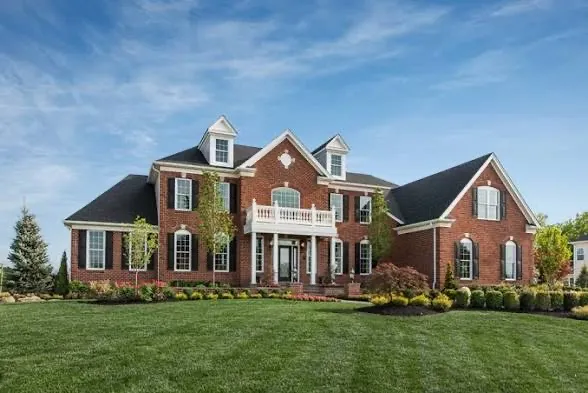
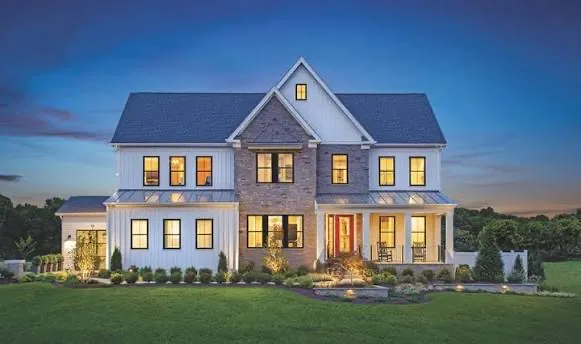
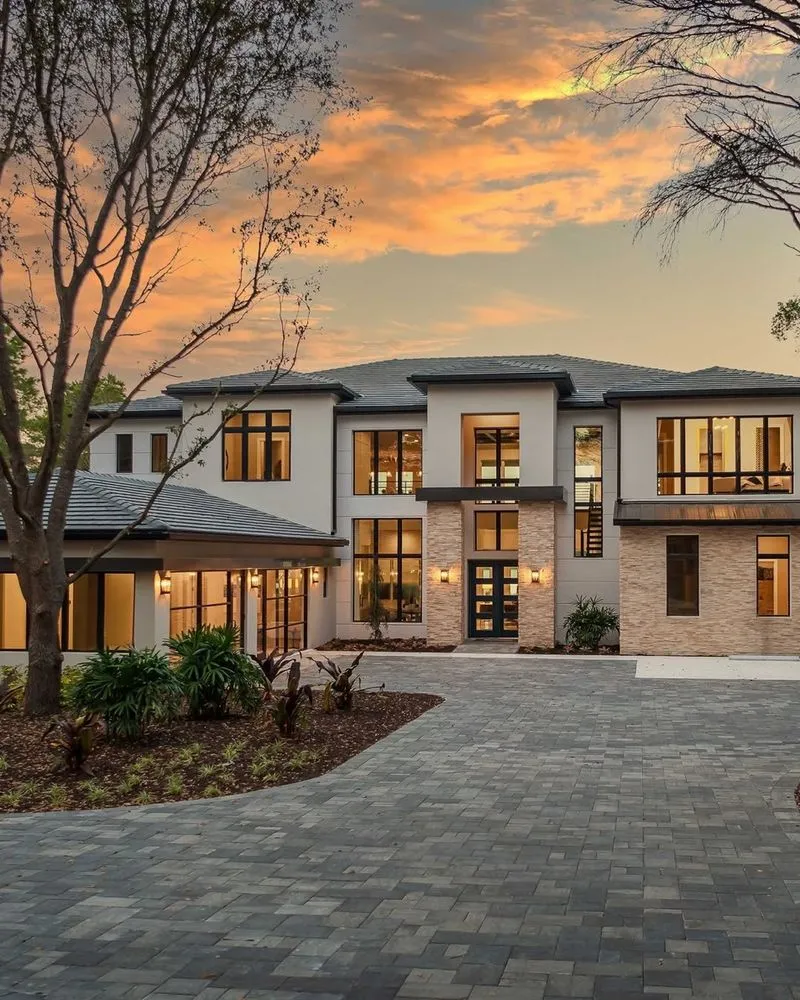
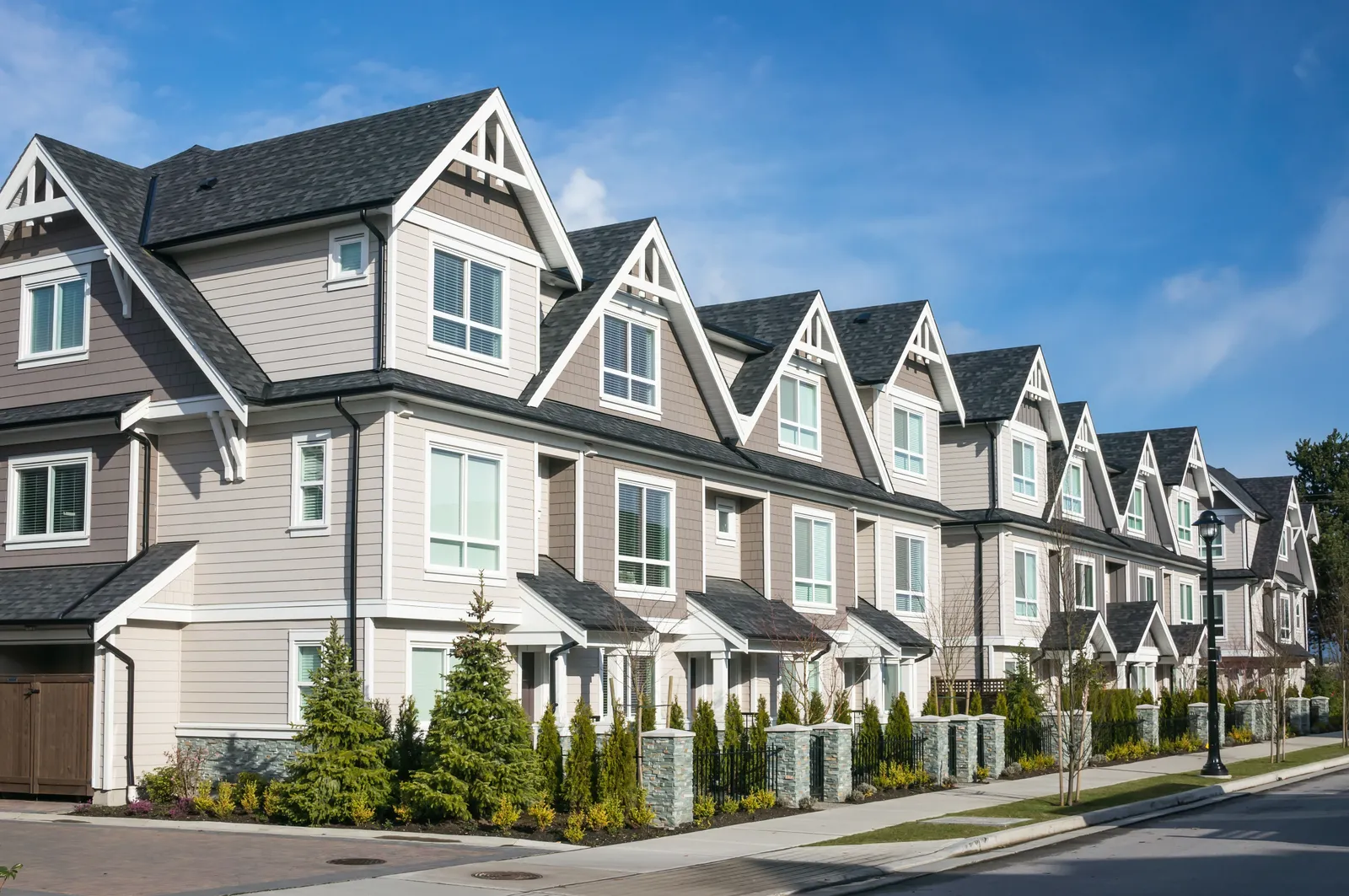
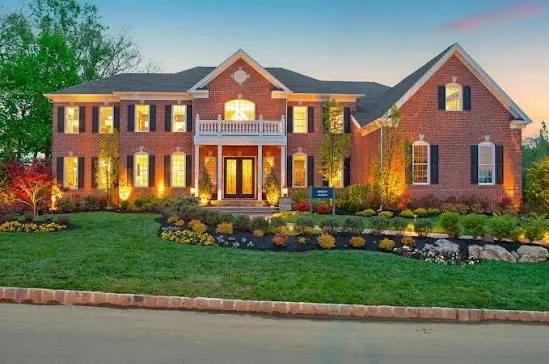
Montgomery is not one-size-fits-all. Townhomes in communities like Pike Run (with Montgomery schools and a Princeton mailing address) start in the $400K–$550K range, offering an affordable entry point to the district. Standard single-family colonials on 1-acre lots typically sell for $750K–$950K. Larger custom homes on 2–3+ acre lots — the classic Montgomery estate feel — range from $1M to well over $2M, particularly in sought-after areas like Cherry Valley.