1031 Exchange in New Jersey: How It Works, and How a Broker Helps
For investment homes, land and commercial property in New Jersey and New York. Updated November 2026.
5.0★ Google · 1,500+ clients · since 2003 · English & Mandarin

How does a 1031 exchange work?
Section 1031 of the Internal Revenue Code lets you sell an investment property and reinvest the entire proceeds into a "like-kind" replacement property — deferring all capital gains taxes. The key concept: your money stays invested in real estate instead of going to the IRS.
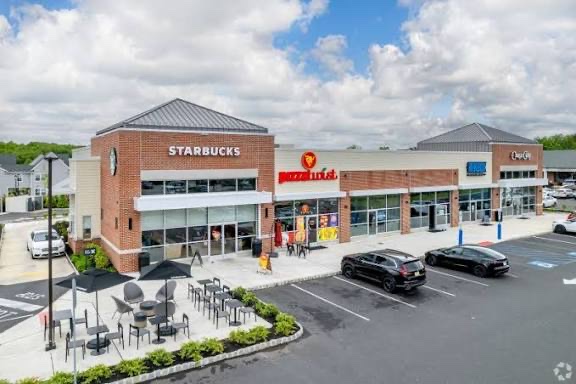
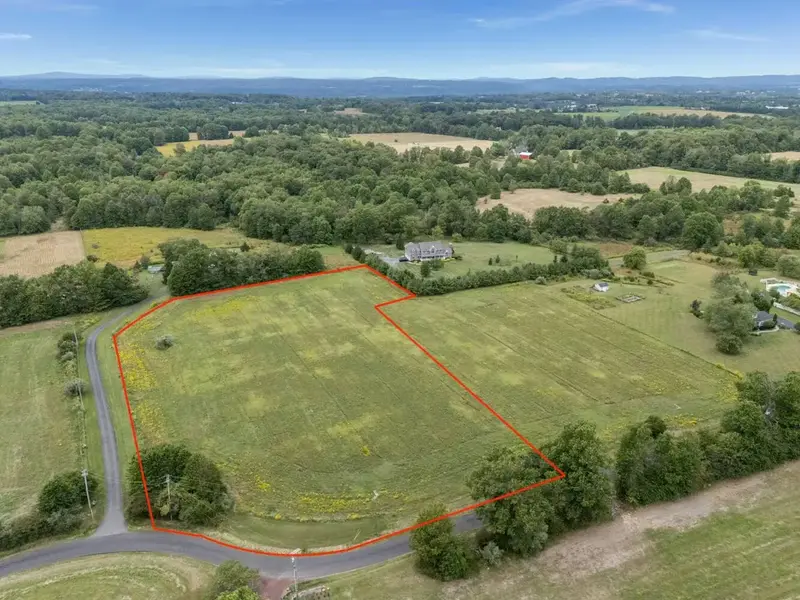
Like-kind is broad for real estate. Since 2018, only real property qualifies. A rental house can be exchanged for a larger investment property, a retail strip for land, or a New Jersey duplex for investment property in another state, as long as both are held for investment or business use. Property outside the United States is not like-kind to U.S. property.
What does not qualify: your primary residence, a vacation home used mainly by you (an IRS safe harbor covers genuinely rented second homes; ask your CPA), and property held primarily for resale, such as flips. The law sets no minimum holding period, but the IRS looks at whether you actually held the property for investment, so a very short hold invites questions. Exchanges with related parties carry an extra 2-year holding rule. Ask your CPA how long to hold.
What are the 45-day and 180-day deadlines?
Both deadlines run in calendar days from the day you close on the sale. Weekends and holidays count, and missing either one ends the exchange (apart from rare federally declared disaster relief).
How does the New Jersey exit tax work with a 1031 exchange?
New Jersey's “exit tax” is an estimated Gross Income Tax (GIT) payment collected at closing. It generally applies when:
You are selling NJ property and (a) you are moving out of NJ before closing, (b) you are already a non-resident, or (c) the seller is a nonresident estate or trust. Resident sellers and most business entities certify an exemption instead.
The payment is the greater of 10.75% of the gain or 2% of the sale price, and it is credited against your New Jersey income tax when you file. On a $700,000 sale with a $200,000 gain, that is $21,500 (10.75% of $200,000) collected at closing unless an exemption applies.
The 1031 Exchange Exemption
A seller completing a like-kind exchange can claim the exemption on Form GIT/REP-3 (Seller’s Residency Certification/Exemption), which is delivered at closing in place of the payment. Plan it with your attorney before closing. If the form isn’t ready, the payment is collected; any overpayment can be refunded through your New Jersey return or an early refund request (Form A-3128). If part of the sale is taxable (cash or debt relief you keep), or the exchange later fails, a payment is still due on that part.
How much tax can a 1031 exchange defer? An example
An illustrative New Jersey rental held 10 years. Actual rates depend on your income and situation:
| Item | Amount |
|---|---|
| Sale price | $650,000 |
| Original purchase price | $380,000 |
| Improvements over 10 years | $45,000 |
| Depreciation claimed | $110,000 |
| Adjusted basis | $315,000 |
| Total gain | $335,000 |
| Federal capital gains (20%) | $45,000 |
| Depreciation recapture (25%) | $27,500 |
| Net investment income tax (3.8%) | $12,730 |
| NJ income tax (illustrative 8.97% bracket) | $30,050 |
| Total tax without 1031 | $115,280 |
| Tax with 1031 exchange | $0 (deferred) |
In this example, $115,280 stays invested instead of being paid at sale. The tax is deferred, not forgiven: it carries into the replacement property’s basis.
What types of 1031 exchange are there?
Simultaneous Exchange
Both properties close on the same day. Clean but logistically difficult in practice. Rarely used.
Exchange property can include industrial space (see our warehouse and industrial real estate services) and land (see our guide to NJ Round 4 rezoning for landowners).
Delayed Exchange (Most Common)
The standard approach: sell first, then buy within the deadlines. A qualified intermediary holds the proceeds between the two closings. It is the most common form.
Reverse Exchange
The replacement property is bought first and “parked” with an exchange accommodation titleholder under a written agreement, then your current property is sold. Strict IRS safe-harbor timing applies (an agreement within 5 business days, identification within 45 days, completion within 180 days). It costs more, but it helps when the right replacement appears before your property sells.
Build-to-Suit (Improvement) Exchange
Exchange proceeds fund improvements to the replacement property. Only improvements already in place when you receive the property (within the exchange period) count toward the value you replace. It is useful for buying land and building, or for a substantial renovation.
For international investors: FIRPTA and 1031
Foreign sellers of U.S. real estate generally face FIRPTA withholding (commonly 15% of the amount realized), separate from New Jersey’s rules. Applying for an IRS withholding certificate by closing can postpone sending the withheld amount to the IRS while it decides. The rules are complex, so work with an international tax advisor; we coordinate with yours.
We work with investors in English and Mandarin and can coordinate with your qualified intermediary, CPA and attorney. International services →
How do you choose a qualified intermediary?
Your QI holds potentially hundreds of thousands of your dollars. Choose carefully:
Learn more about Tang Group Real Estate.
Requirements: the QI generally cannot be anyone who has acted as your agent in the past 2 years, such as your attorney, accountant or real estate agent (limited exceptions apply), or a related person. Use an independent third party.
What to verify: a fidelity bond and errors-and-omissions insurance, segregated or qualified escrow accounts (your funds kept separate), experience with New Jersey closings, and a written fee schedule.
We can recommend several QIs we have worked with successfully — but the choice is yours.











Have Questions About This Topic?
Book a free consultation with Steven or Holly. No pressure, just answers.